Insights for UK landlords & self-employed
Tax, MTD, property management and accounting articles to help you stay compliant and save time.
Short, timely articles on Making Tax Digital, property tax and landlord accounting.
Results
21 blog found· Page 1 of 2
What to Include in Your MTD Final Declaration: A Landlord's Guide
MTD Quarterly Updates vs Final Declaration Explained

MTD Exemptions and Opting Out: Who Doesn't Have to Comply?
Who doesn't have to use Making Tax Digital for Income Tax? This guide sets out HMRC's exemption rules, how digital exclusion works, how to apply, what happens while you wait, and whether you can leave MTD.
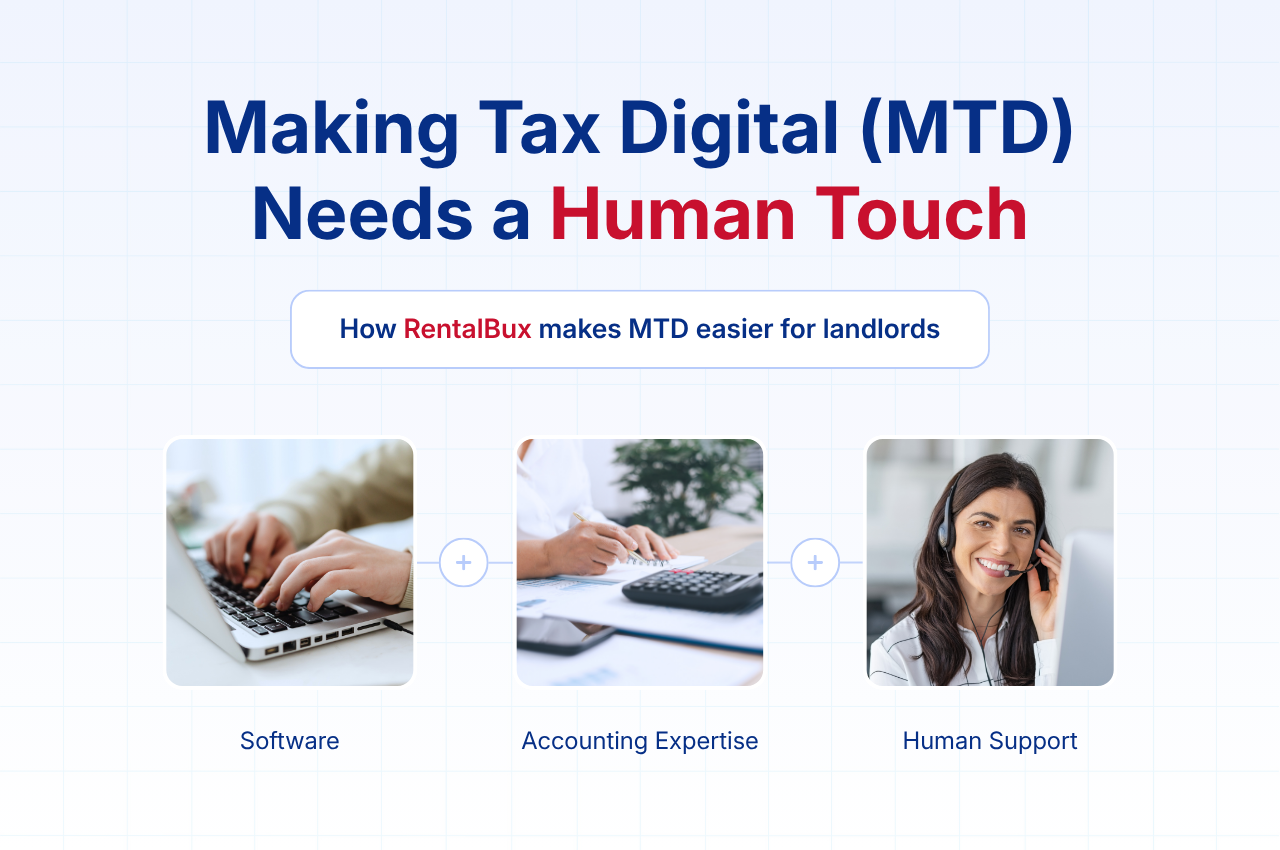
Why MTD Needs Human Help, Not Just Software

Made a Mistake in Your MTD Digital Records? Here's How to Correct It
Made a mistake in your MTD digital records? Learn how to correct it the right way, when you need to resubmit a quarterly update, and what HMRC expects. This guide explains the correction process for landlords and self-employed individuals under Making Tax Digital.

MTD for Non-Resident Landlords: The Complete Guide
If you live outside the UK but own UK rental property, MTD is coming for you too. Not yet, but sooner than you think. This guide explains the exemption timeline, the NRLS interaction, the practical challenges, and what you should be doing right now to prepare.

MTD Soft Landing Period 2026 to 2027: What It Means and What You Still Must Do
The MTD soft landing for 2026 to 2027 only pauses penalty points for late quarterly updates. It does not remove the legal duty to file, protect late Final Declarations, or stop late payment penalties and interest from applying. Taxpayers should use this first year to build proper digital record keeping and reporting habits.
Do I Need MTD? The Gross Income vs Net Profit Confusion Explained
Making Tax Digital for Income Tax is based on gross income, not profit, which is where many landlords get confused. This means HMRC looks at your income before expenses are deducted, not what you actually keep after costs. Understanding this difference is essential if you want to know whether MTD will apply to you from April 2026.

HMRC MTD Letter: What It Means and What To Do Next
Received an HMRC MTD letter? It’s not a penalty, but a notice that your tax reporting is changing from April 2026. Learn why you received it and what steps you need to take next. Understand your obligations before the deadline approaches.

Making Tax Digital for Limited Companies: What Directors Must Know in 2026
The cancellation of MTD for Corporation Tax eases the compliance burden for limited companies, but VAT and Income Tax requirements for directors still stand. Limited companies now face fewer mandatory reporting deadlines, but the shift to digital accounting remains pivotal for efficiency.
A Complete Guide to Making Tax Digital For Airbnb Hosts
From April 2026, many Airbnb hosts will need to switch to Making Tax Digital for Income Tax, changing how business income is recorded and reported to HMRC. Quarterly digital updates, HMRC-recognised software, and stricter penalty rules mean hosts must take a more structured approach to managing their Airbnb finances throughout the year.
A Complete Guide to Making Tax Digital for VAT-Registered Businesses
Making Tax Digital (MTD) for VAT requires all VAT-registered businesses in the UK to maintain digital records and submit VAT returns through compatible software. This guide explains the digital requirements, software options, and exemptions, offering a clear path to MTD compliance for businesses.
Guides
From our long-read Guides
Prefer to learn a subject end-to-end? Browse our step-by-step guides for UK landlords and sole traders.