
.jpg&w=64&q=75)
Cloud-based MTD software has become the most practical way for landlords to meet HMRC’s new digital tax rules. It keeps your records in one live system, maintains compliant digital links from bank to submission and removes most of the manual work and risk built into spreadsheets and desktop tools.
Landlords and sole traders above the MTD thresholds must now keep digital records and send quarterly updates through compatible software, along with a final annual tax return. Cloud MTD solutions go further than basic compliance by giving real time insight into property performance, automating rules such as the mortgage interest restriction and allowing you and your accountant to work from the same up to date figures throughout the year.
Let's explore why cloud technology has become the backbone of modern property tax filing and what it means for your landlord business.
KEY TAKEAWAYS
From April 2026 many landlords over the MTD thresholds must keep digital records and file quarterly via compatible software.
HMRC’s digital links rules mean no retyping, copying and pasting or manual CSV uploads between systems.
Cloud MTD software uses bank feeds, real time syncing and automatic backups to keep records accurate and secure.
Landlord specific cloud tools handle property level tracking, Section 24 finance costs and basic tax forecasting for you.
Real time access to live data lets your accountant review and fix issues early, reducing year end work and costs.
Overall, cloud MTD platforms turn landlord tax from an annual scramble into a continuous, well controlled process.
What Exactly Is Cloud Based MTD Software?
Cloud MTD software operates entirely online, storing your financial data on secure remote servers rather than your personal computer. You access it through any web browser or mobile app, whether on your laptop, tablet, or phone. Your data synchronises in real-time across all devices. Record an expense on your phone, and it instantly appears in your accountant's view.
How Cloud Software Maintains Unbroken Digital Links?
Cloud MTD software keeps an unbroken digital chain from each transaction to your final tax submission. Once a transaction is in the system, you categorise it as rental income, repairs or another cost, and that categorisation is carried through to your quarterly MTD updates and final declarations.
Because the data moves between your bank and your software using secure APIs, every step is electronic and traceable. This is exactly the workflow HMRC expects under MTD: digital records held in compliant software, with figures pushed directly to HMRC from that same digital environment.
How Bank Feeds Replace Manual Data Entry?
When a tenant pays rent into your bank account, that transaction flows automatically into your software via secure bank feeds, without any typing, importing or manual file handling. There is no copying and pasting, no CSV downloads and uploads and no rekeying, all of which would break HMRC's digital links requirement.
Why Are Traditional Tax Filing Methods No Longer Viable?
For decades, landlords relied on paper receipts, Excel spreadsheets, and desktop accounting software installed on a single computer. This approach worked when tax filing was an annual event, but it's fundamentally incompatible with MTD requirements.
The Problem with Spreadsheets and Desktop Software
Desktop software locks your financial data onto one device, if that laptop fails, gets stolen, or crashes, you could lose months of records.
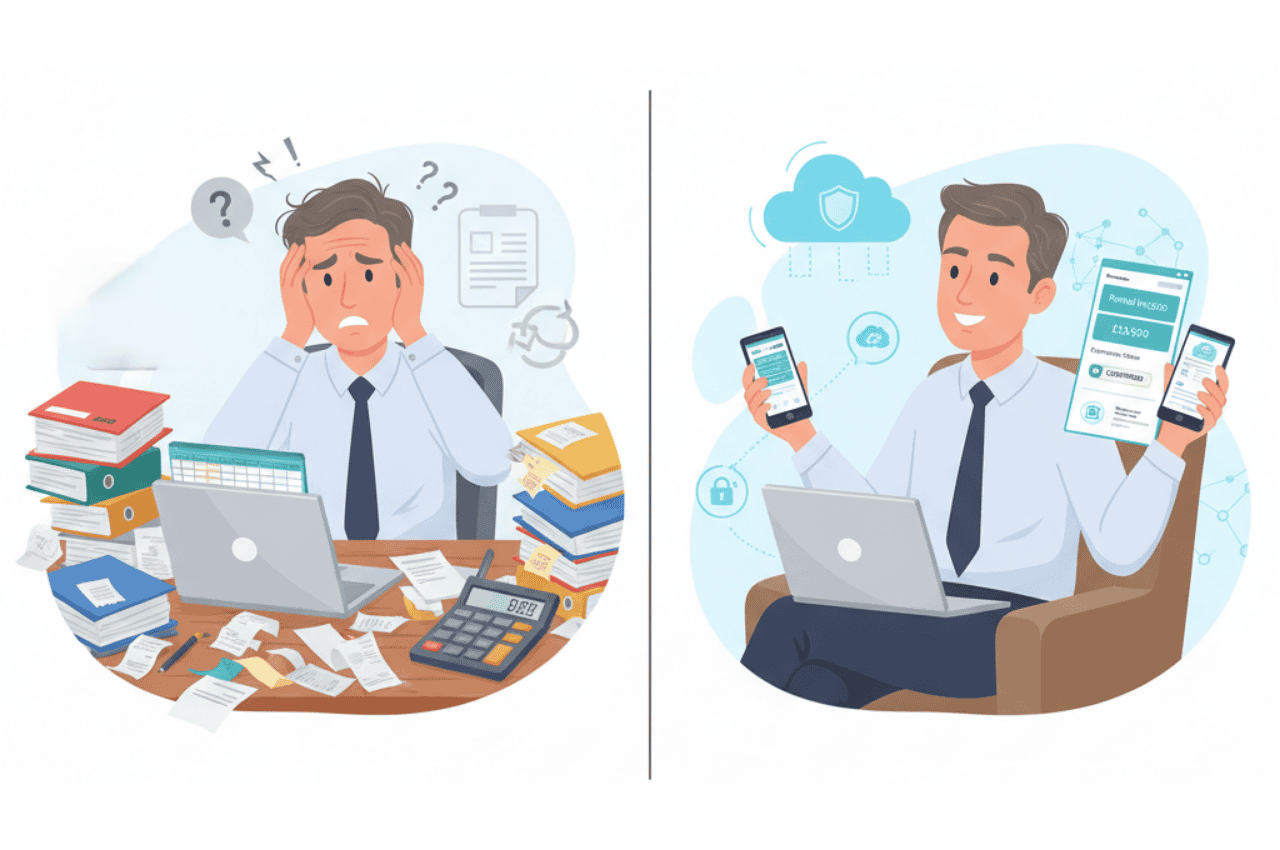
Version control becomes a nightmare when your accountant needs access, leaving you emailing files back and forth. Landlords juggling multiple properties often accumulate receipts in drawers or notebooks, then face the monumental task of reconstructing their entire year from fragments come January.
How Manual Processes Break HMRC's Digital Links Requirement
The fatal flaw is the broken digital chain. HMRC's April 2026 mandate requires unbroken digital links between your data sources and tax submissions. Manually typing bank transactions into a spreadsheet breaks that link. Downloading a CSV file and uploading it elsewhere breaks that link. For landlords managing multiple properties across different locations, traditional methods simply cannot scale or meet compliance standards.
What Does the April 2026 MTD Mandate Actually Require?
From April 2026, HMRC’s Making Tax Digital rules now require landlords and sole traders within scope to keep digital records of all property and trading income and expenses and to use compatible software that can send updates directly to HMRC.
Income Thresholds: Who Is In Scope and When?
From 6 April 2026, the rules apply to landlords and sole traders whose gross income exceeds £50,000 per year, with the threshold expected to fall to £30,000 from 6 April 2027 and £20,000 from 6 April 2028.
Spreadsheets vs Cloud MTD Software: Can You Still Use Both?
HMRC does not ban spreadsheets. In principle you can remain compliant by keeping digital records in a spreadsheet and using bridging software to submit figures to HMRC, provided digital links are preserved throughout. However, this setup usually relies on multiple files, manual processes and bolt on tools, which increases the risk of broken links, version control problems and errors over time.
Cloud MTD software achieves the same core goal in a more integrated way. Bank feeds, digital record keeping and direct MTD submissions all sit in one system, which makes it easier to maintain a fully digital audit trail that satisfies HMRC. It also gives landlords practical advantages that spreadsheets cannot match in real life use, such as real time dashboards, accountant access to live data, mobile receipt capture and property level reporting.
How Cloud MTD Software Helps Landlords Run Their Portfolio?
For landlords, the real value of cloud MTD software is not just ticking HMRC's compliance boxes but changing how you run your portfolio day to day. Instead of reacting once a year with incomplete records, you work from live, property specific data that underpins every decision, from minor repairs to major refinancing.
Day-to-Day Property Management from Any Device
Cloud accounting allows landlords to manage their entire portfolio in real time from any location. You can see which tenants have paid, which are overdue and what your current year to date profit looks like, whether you are at home, on site at a property or abroad. When a contractor hands you an invoice, you can photograph it in the app, let the software read the key details and allocate it to the right property and expense category within seconds.
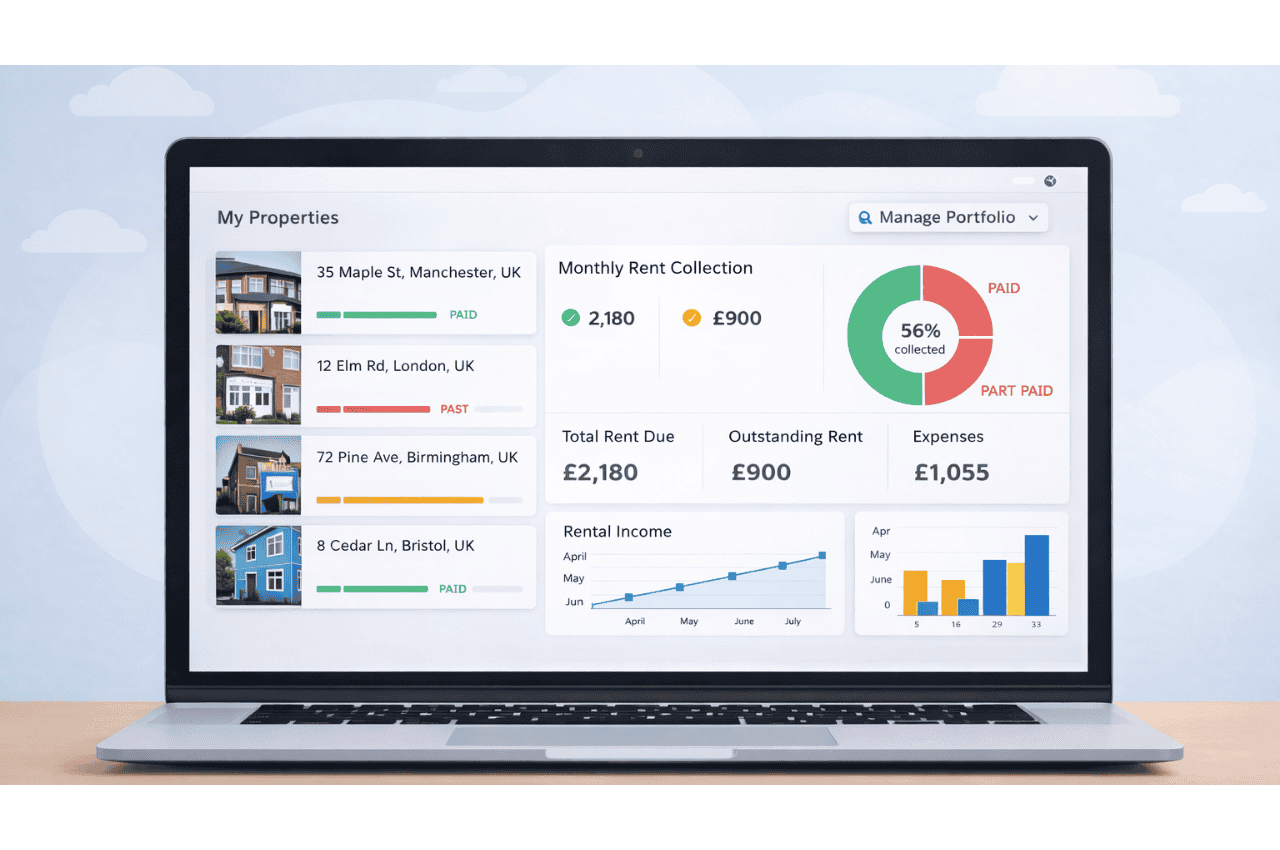
Since income and expenses are digitally recorded and linked to your bank feeds, your property's financial data stays accurate throughout the year, eliminating the need for a year-end scramble.
Complex Property Tax Calculations
Property taxation comes with unique challenges that general accounting software often fails to manage effectively. Many cloud MTD software designed specifically for landlords automates complex calculations like the Section 24 mortgage interest restriction, which impacts higher-rate taxpayers. Instead of manually calculating tax credits on mortgage interest, the software automatically adjusts for these restrictions, showing both actual and taxable profits under the new rules.
In addition, cloud MTD software provides real-time, property-level profit and loss statements, allowing landlords to assess each investment's performance after tax.
Real-Time Collaboration with Your Accountant
Cloud MTD software lets your accountant work from the same live data that you see, instead of trading spreadsheets and backups by email. They can log in at any time to review transactions, tidy coding issues and spot problems early, which means fewer surprises when it is time to file.
Because the data is already reconciled and digitally linked to your bank, year end work shifts from reconstruction to review. This can cut the time your accountant spends on basic processing and reduce fees, while improving the quality of advice because they have an up to date picture of your portfolio.
Key Benefits of Cloud Based MTD Solutions for Landlords
Cloud MTD software turns tax compliance into an ongoing, low effort process rather than a stressful year end event. Automated bank feeds and digital links remove manual data entry, which reduces errors and frees up time for managing your properties instead of spreadsheets.
Real time dashboards show rental income, expenses and estimated tax liabilities throughout the year, so you can plan cash flow and January and July payments with far greater confidence.
Data Security and HMRC Audit Trails
Cloud MTD software enhances data security by automatically backing up tax records across multiple secure servers, reducing the risk of data loss. Unlike desktop software, which relies on a single hard drive, cloud platforms ensure continuous protection by saving transactions and documents in real-time. For landlords, this means easy access to critical documents like tenancy agreements and safety certificates. Additionally, cloud systems create an audit trail, tracking any changes made to your records, which is vital during HMRC inquiries.
Cost and Time Savings Throughout the Year
Anywhere access means you can record costs and upload invoices on site, using your phone or tablet, so records are complete and up to date without a separate admin session. Because your accountant can log in to the same live data, queries are resolved earlier, year-end work is lighter and professional fees can reduce as a result. Combined with secure cloud backup and a full audit trail, this makes cloud MTD solutions not just a way to meet HMRC's rules but a practical backbone for running a more efficient, data led landlord business.
Why RentalBux Is the Smart Choice for Cloud-Based MTD Compliance?
.png)
RentalBux is HMRC-recognised cloud MTD software built specifically for UK landlords and sole traders. Designed by accountants, the platform combines property management with MTD compliance in one intuitive dashboard accessible from any device. Whether you manage one property or a large portfolio, RentalBux automates digital links, ensures April 2026 compliance, and keeps your tax records secure in the cloud.
Key Features:
Automated Bank Sync: Eliminates manual data entry and maintains unbroken digital links required by HMRC
Mobile Receipt Capture: Photograph and categorise expenses instantly using OCR technology
Property-Level Tracking: Manage income and expenses separately for each property with detailed reporting
Joint Ownership Splits: Automatically calculates and splits rental income and expenses based on ownership percentages
Quarterly MTD Submissions: Submit updates directly to HMRC in minutes from the platform
Cloud Backup: Your tax records remain secure and accessible anywhere, anytime
Conclusion
The transition to cloud MTD software represents more than technological change. With HMRC's April 2026 digital links requirement, cloud-based solutions have become absolutely essential. The benefits extend beyond compliance: real-time financial visibility, reduced data loss risk, time savings through automation, lower accountancy fees, and anywhere access to your accounts.
For landlords managing multiple properties, cloud MTD software like RentalBux isn't just about meeting HMRC requirements but running a more efficient and profitable property business.


