Insights for UK landlords & self-employed
Tax, MTD, property management and accounting articles to help you stay compliant and save time.
Short, timely articles on Making Tax Digital, property tax and landlord accounting.
Featured · Editor's Pick
QuickBooks vs TaxCalc MTD Quarterly Filer
QuickBooks is a full cloud accounting platform that holds digital records, submits quarterly updates, and handles the Final Declaration in one subscription. TaxCalc MTD Quarterly Filer is an HMRC-recognised spreadsheet bridging solution for accountancy practices and individuals, submitting quarterly updates from spreadsheet data, but requiring TaxCalc Tax Return Production as a separate product for the Final Declaration, with that annual submission functionality due for release in Summer 2026.
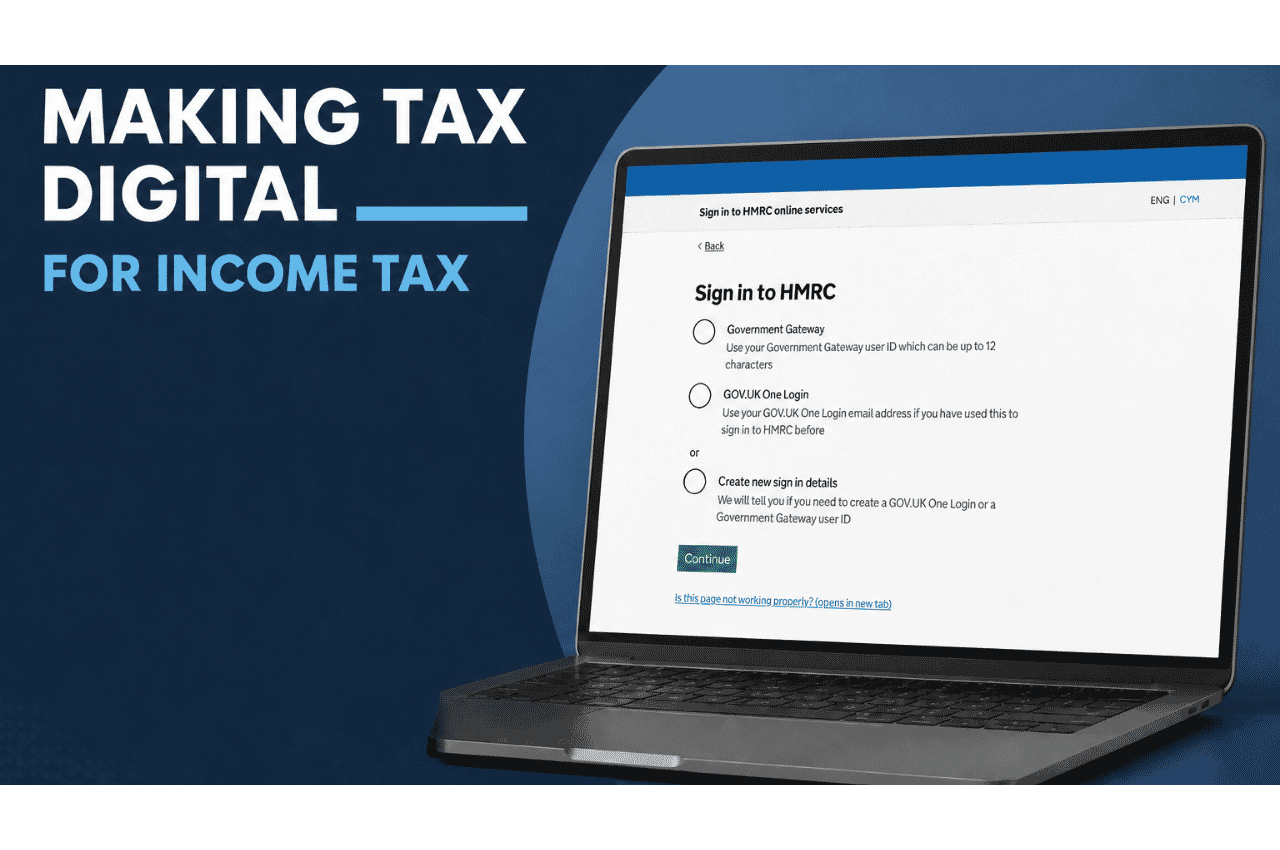
How to sign up for Making Tax Digital for Income Tax as a Landlord?
RentalBux · 9 min read

Digital Links Under MTD for Income Tax: Can You Still Copy and Paste?
RentalBux · 11 min read
Latest blog
109 blog· Page 1 of 9

MTD Digital Records: What HMRC Requires You to Keep for Income Tax
Section 13 Notice (Form 4A): How to Increase Rent in England

Section 21 Notice: What Landlords Need to Know
Section 21 notices ended on 1 May 2026. This guide explains what that means for landlords, what happened to notices served before abolition, what replaces Section 21, and what you need to do now.
What to Include in Your MTD Final Declaration: A Landlord's Guide

HMO Licence: Do You Need One and How to Apply
Not sure if your shared house needs an HMO licence? This guide explains the rules in England, how to apply, what councils check, and the penalties for getting it wrong.
MTD Quarterly Updates vs Final Declaration Explained

MTD Exemptions and Opting Out: Who Doesn't Have to Comply?
Who doesn't have to use Making Tax Digital for Income Tax? This guide sets out HMRC's exemption rules, how digital exclusion works, how to apply, what happens while you wait, and whether you can leave MTD.

Renters' Rights Act: What It Means for Landlords
The Renters' Rights Act has reshaped renting in England: no more Section 21, periodic tenancies, once-a-year rent rises and new limits on how you choose tenants. Here is what actually changes for landlords, when it applies, and what to do now.

Renters' Rights Act Letting Ban: Ground 1A Rules for Landlords Selling Up in England
Renters' Rights Act Information Sheet 2026: What Landlords Still Need to Do if You Missed 31 May

UK Landlord Documents Checklist 2026: 9 Free Templates You Actually Need
Nine free, legally checked templates covering every stage of a UK tenancy, from guarantor to surrender. Know exactly which document you need, and why.

Net Pay Arrangement Tax Relief Explained: The Low Earners Pension Anomaly
Guides
From our long-read Guides
Prefer to learn a subject end-to-end? Browse our step-by-step guides for UK landlords and sole traders.